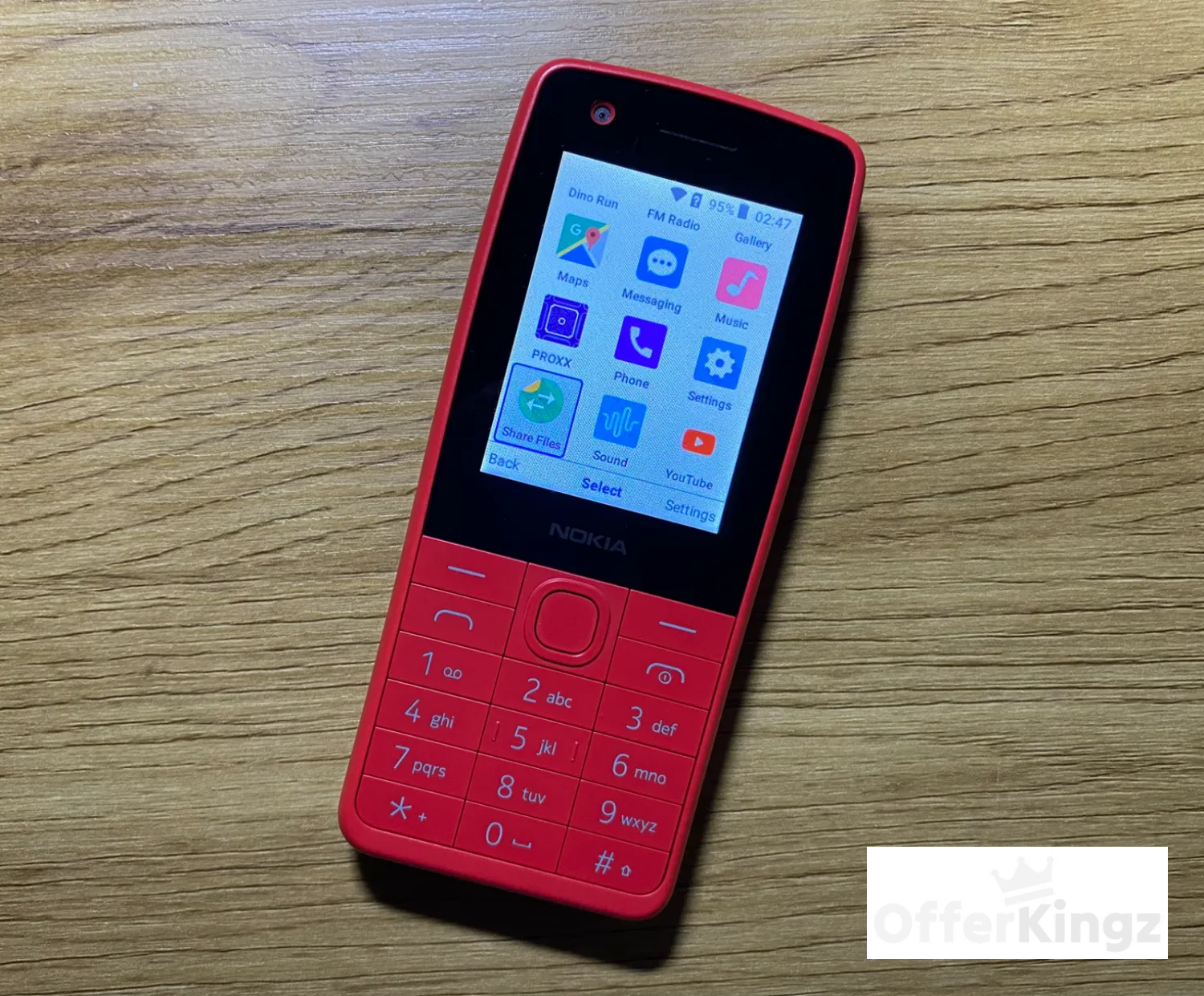
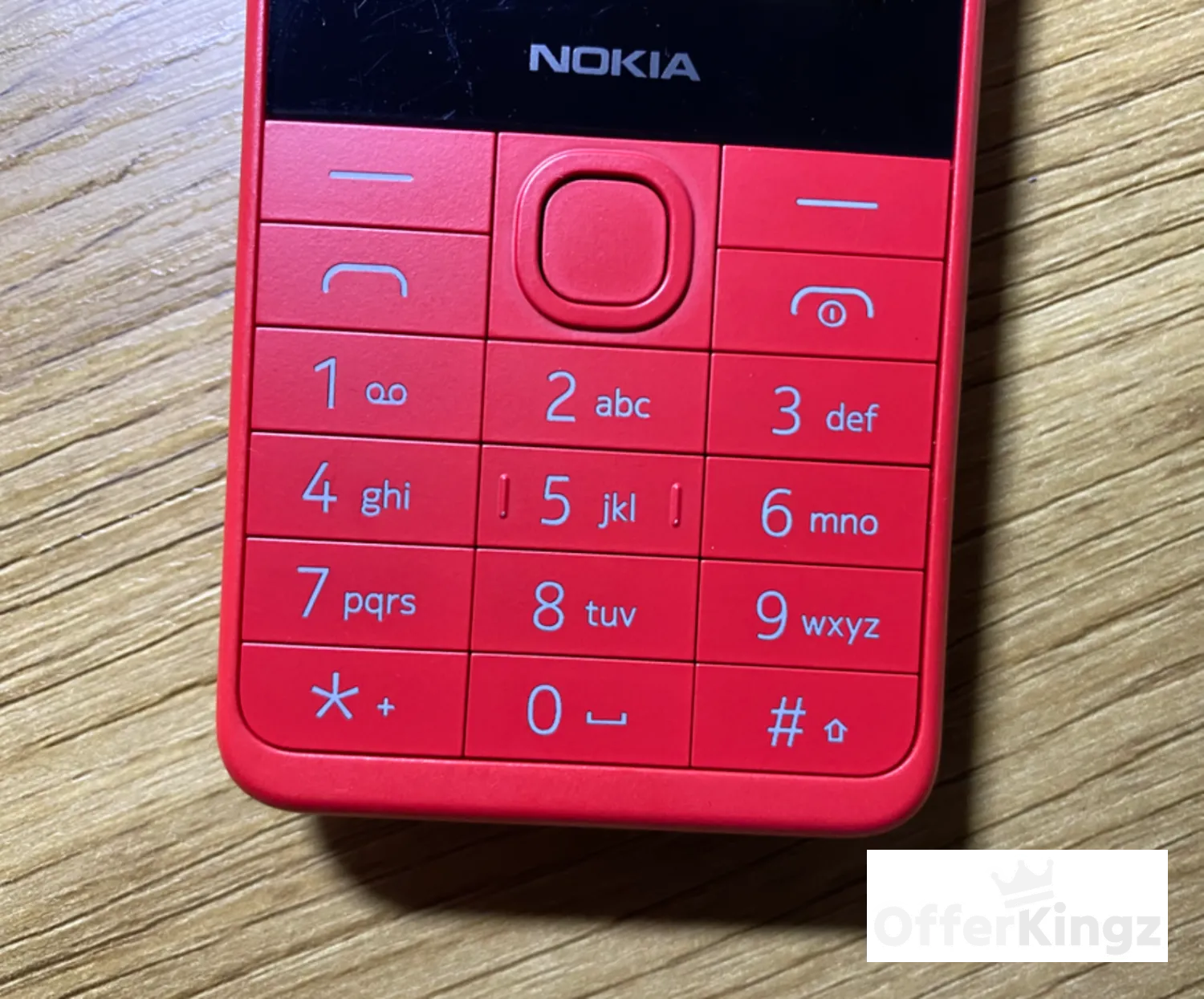
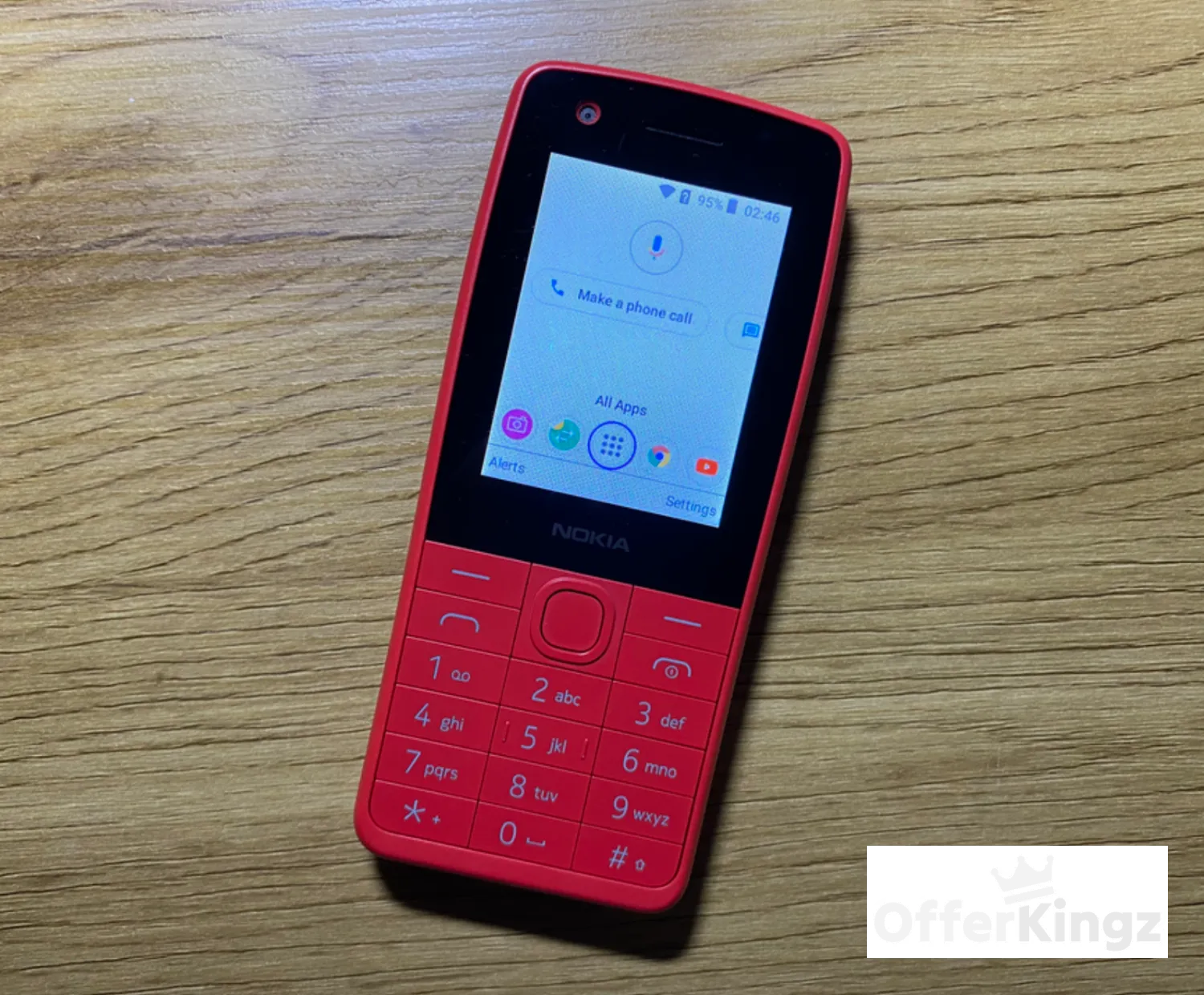
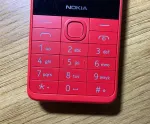
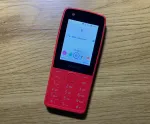
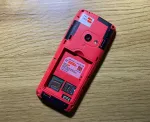
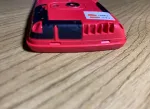
Own a piece of Nokia's history with this exclusive, never-before-seen prototype. This Red GAFP prototype has never posted online before and is much different from the already known Iron GAFP version. Cross-checked by their IMEIs, one by one, only 6 of them are currently known to exist.
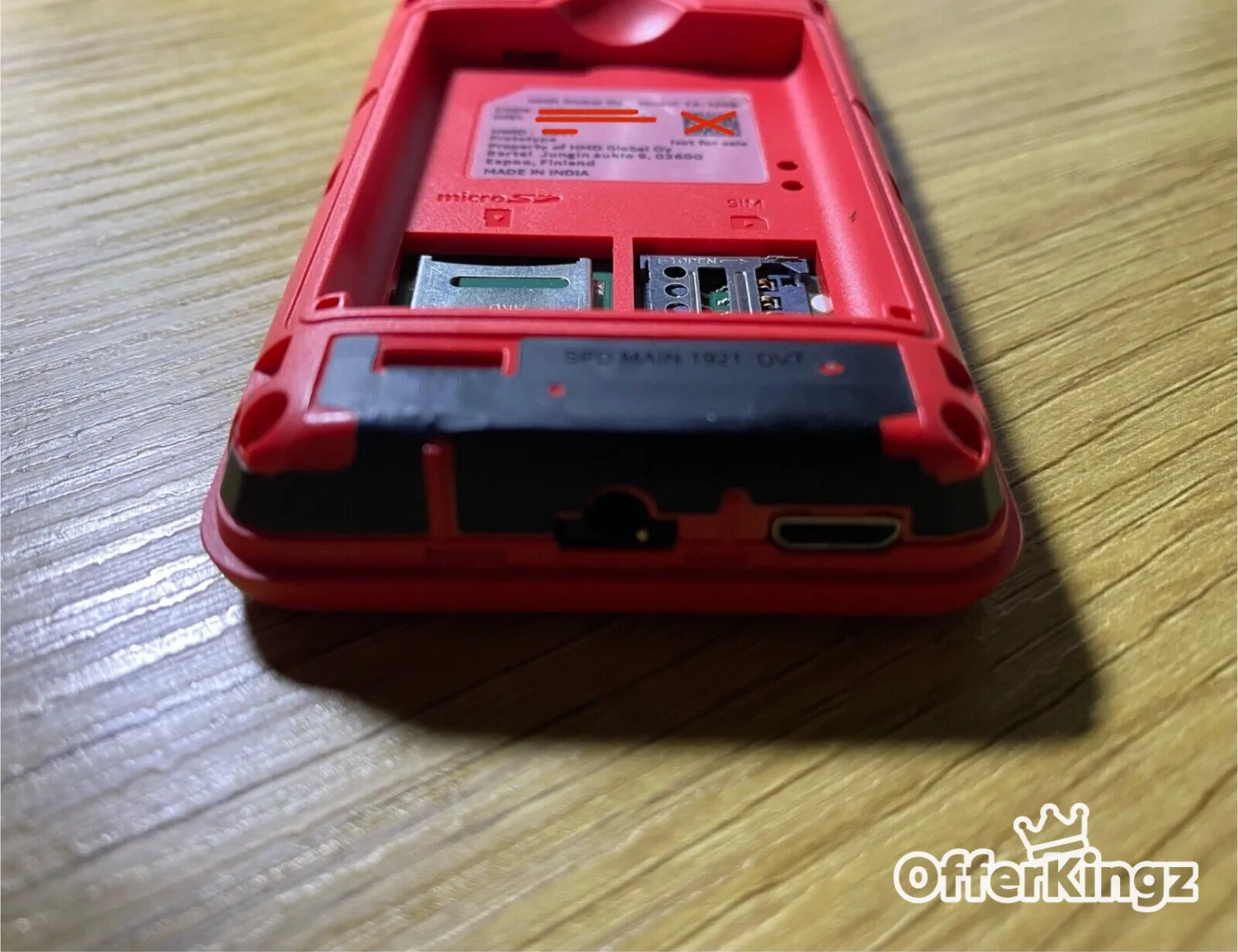
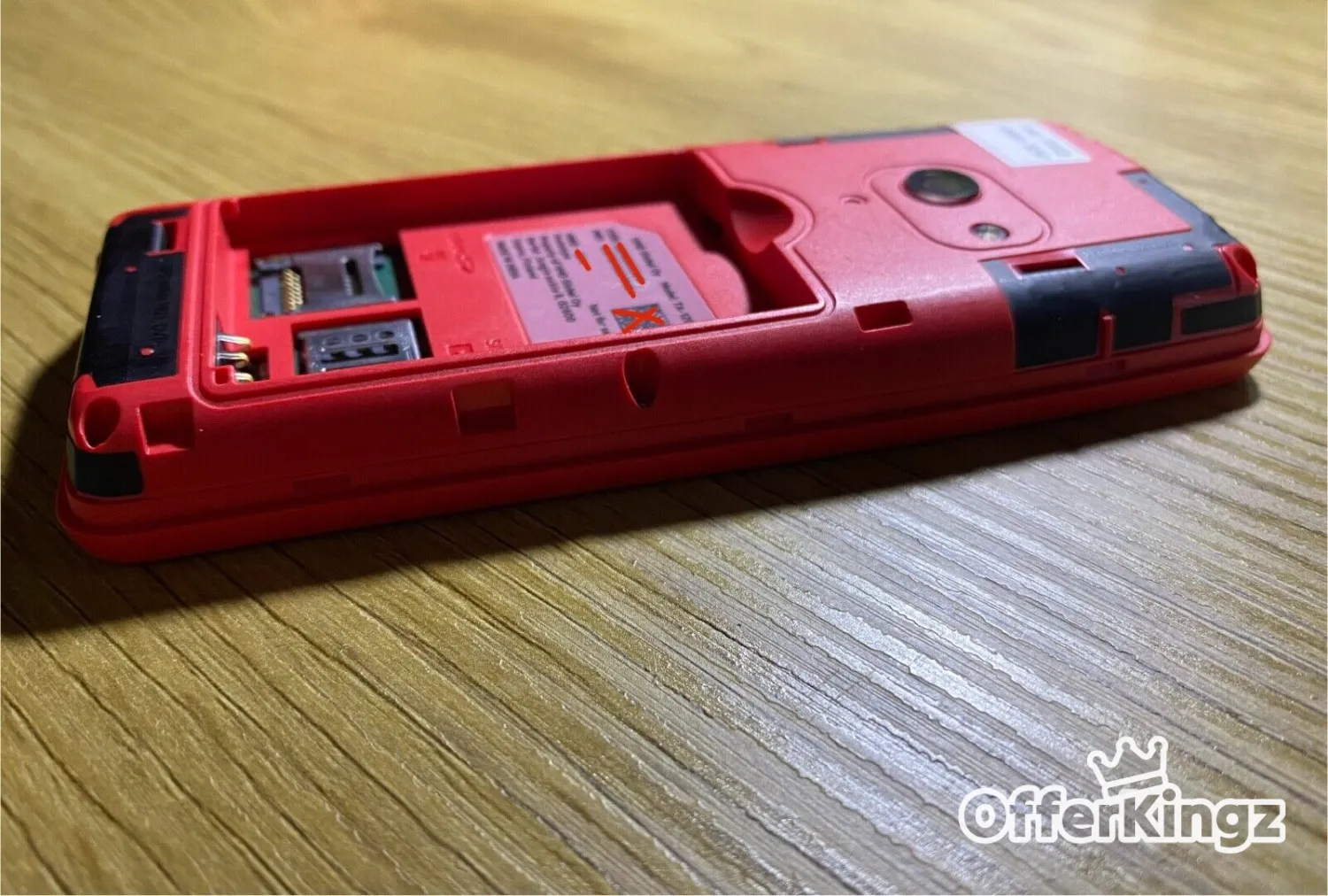
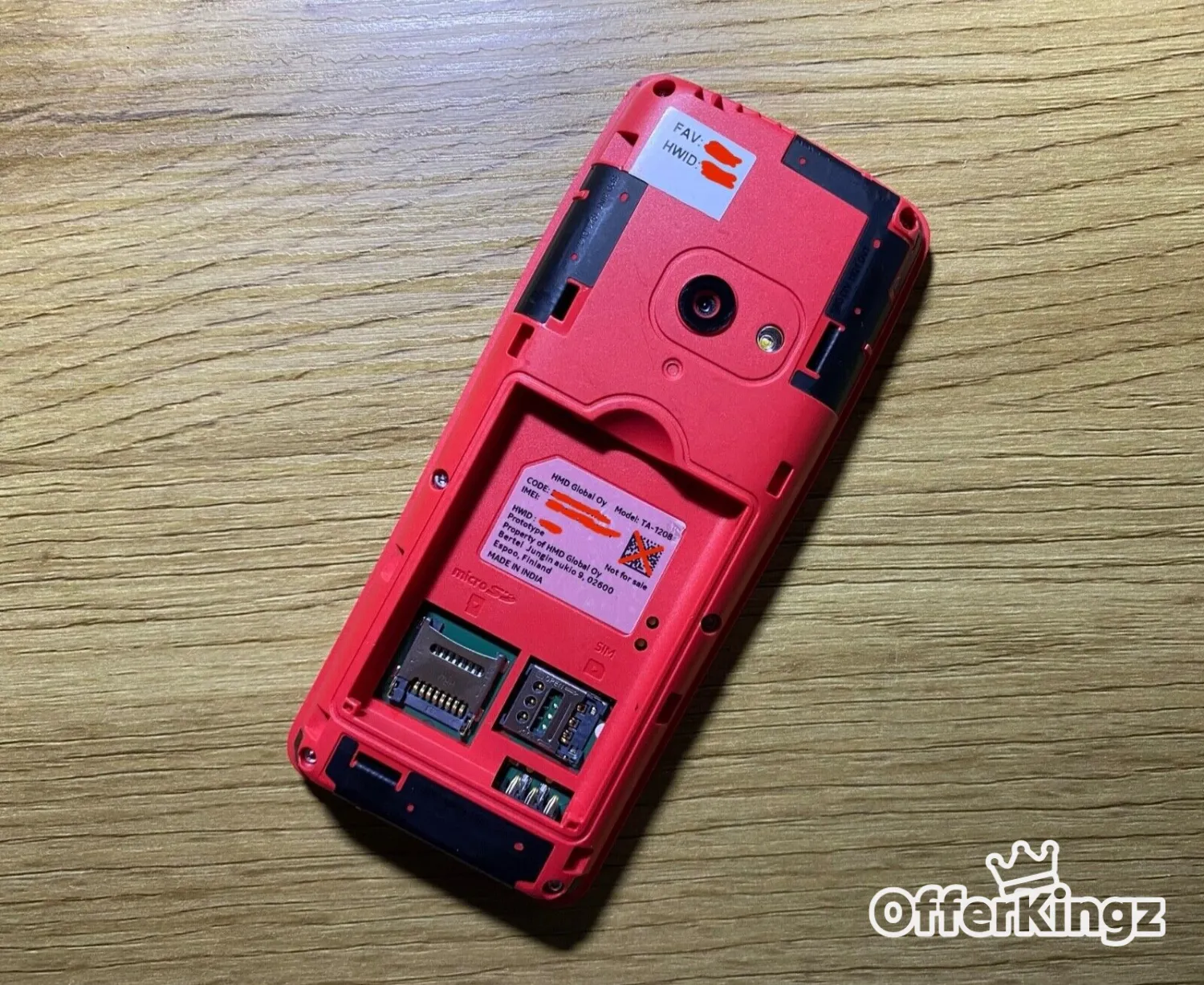
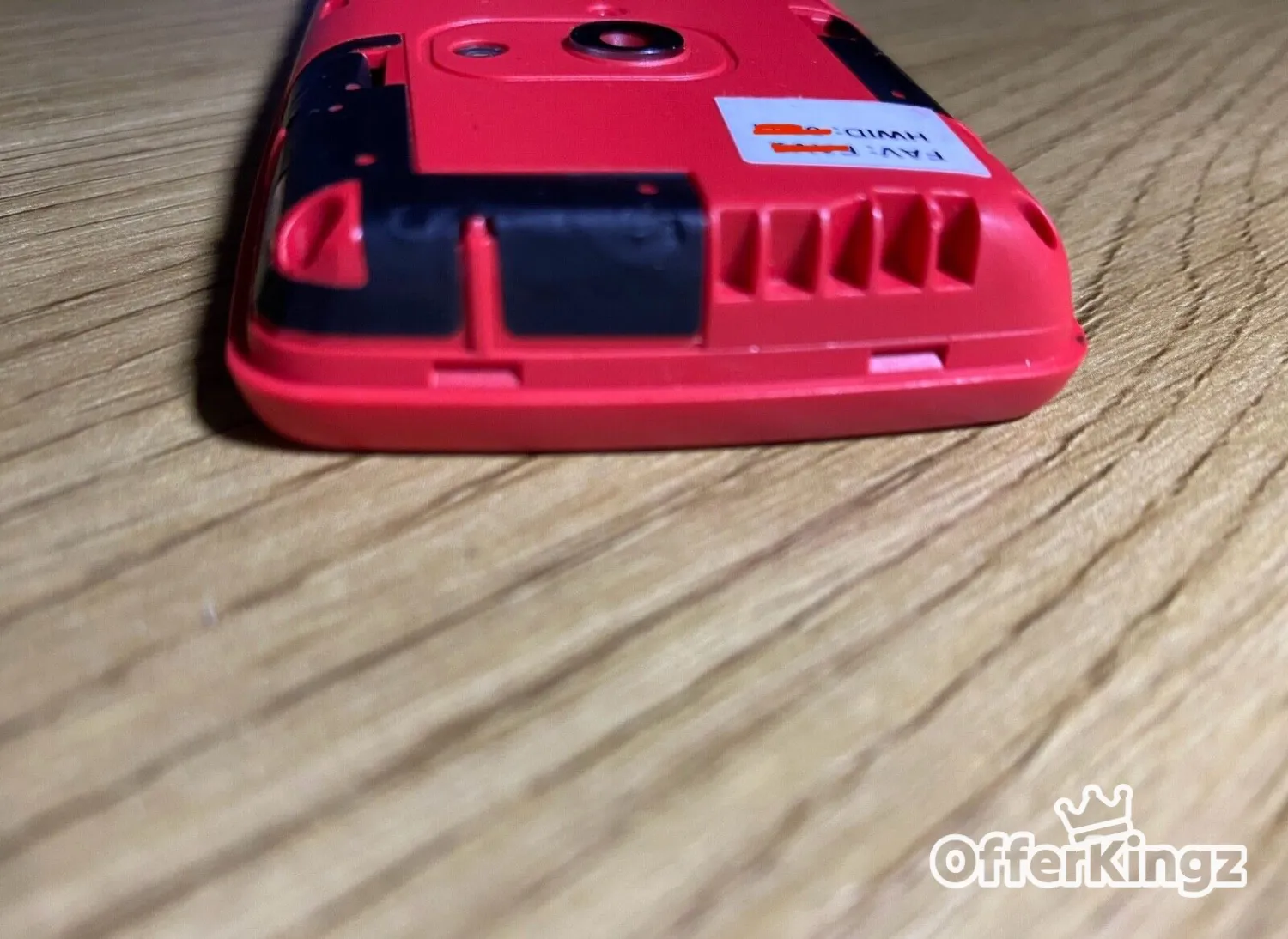
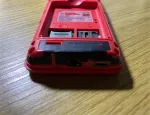
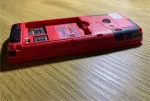
The state of the prototype is reasonably good, with only minor cosmetic scratches being found around its exterior that of course don’t affect its functionality. On the back of the phone, the prerelease regulation tag is visible, which clearly states it’s a prototype and contains info about the model and development phase. There are more than one such tags in the back, plus the back cover is missing, as it wasn’t manufactured in this stage of development.
It utilizes a standard Nokia BV-6A battery, which I can include with no extra cost if you wish (region-specific limitations and extra shipping costs may apply though). Charger is not included, as the prototype charges through MicroUSB.
Everything works as intended, although there might be some software instabilities due to its prototype nature. This prototype is a rare collector’s item and is not intended for daily usage.
Below I quote the history and the hardware specifications of the Red GAFP prototype.
History of Project GAFP
In mid 2017, HMD, the exclusive manufacturer of Nokia handsets after Microsoft Mobile’s failure, partnered with Google to start a secret project that aimed to bring Android to non-touchscreen phones. Therefore, GAFP was born, with the acronym meaning Google Android for Feature Phones. The major difference between GAFP and other similar-looking Android-based phones is that the former was (meant to be) an official Google product, with the OS being developed solely by them. HMD was only the hardware manufacturer; just like Motorola, Samsung and LG back in the Nexus era.
GAFP OS was based on the then-current Android version 8.1 Oreo, albeit with a redesigned from the ground up, keypad-first UI that ditched the touchscreen requirement. GAFP also featured the full stack of Google Play Services (GMS), being Google certified, with the prototypes having special versions of the company’s popular apps preinstalled, like the Google Assistant, Chrome, Google Maps and YouTube. Google also intended to bring the Play Store itself into the device; a plan that was sadly never implemented. GAFP OS is capable of running most of the already existing Android apps without any modifications from their developers. I personally tried lots of modern (2024) apps, like CPU-Z, Aurora Store, J2ME Loader and all work as intended, with their UIs automatically adapting for keypad use.
As noted above, GAFP was a codename and if the phone launched, its retail name would have probably been “Nokia 400 4G”. It would have retailed for about 80-120€ and targeted primarily India and Europe. Developing countries may have been a target market as well. Its goal was to provide as many people as possible with Internet and Android apps access, or help smartphone users disconnect from the digital world without loosing access to vital apps.
The GAFP project was in continuous development for five whole years, spanning from 2017 up to spring of 2021. At that point, it was cancelled altogether, with both Google and HMD trying to delete all proof of its existence. For this reason, Google ordered the full destruction of the remaining GAFP prototypes, with only 9 of them managing to escape (2 Iron GAFPs and 7 Red GAFPs).
You might wonder why Google and HMD decided to cancel the project after all these years in development. I firmly believe this happened due to multiple factors. A major one would have been that, all these five years, they were working on porting a single Android version to the GAFP hardware platform. And while Oreo was brand new when development started, it was obsolete by spring of 2021 (when the project was cancelled). Another reason has to do with the price point; they couldn’t optimize Android to have a great performance (i.e. to be as fast as S30+) on GAFP’s hardware. So, they had to compromise either the user experience or the target price. That made the whole GAFP OS a dead end. Even if they released it on 2021, they wouldn’t have been able to launch a successor with a new Android version and updated specs while maintaining the same price. All these are the reasons that led the GAFP project to be cancelled, at least to my understanding.